
Weaning - the basics
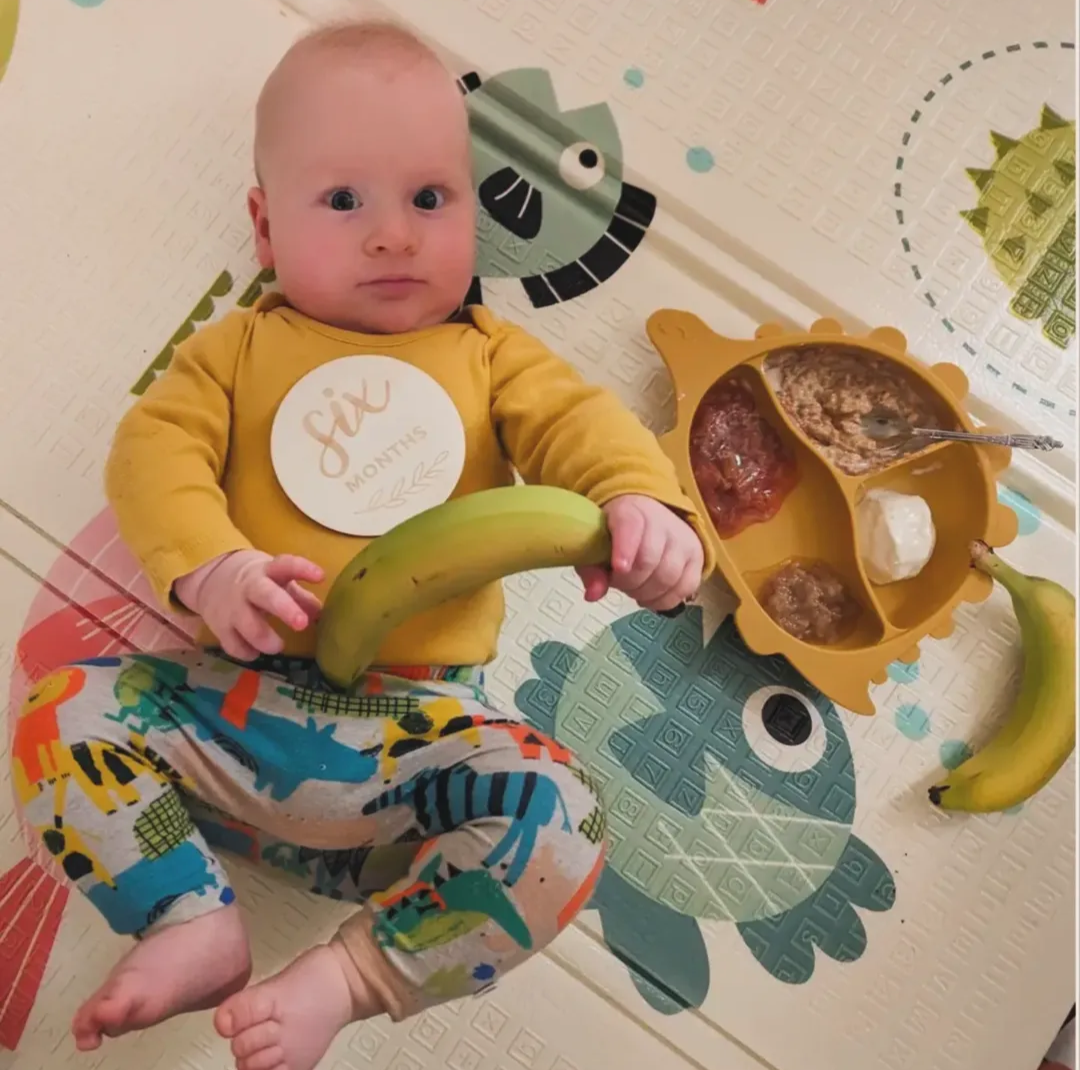
Wow, I cannot believe little Elias is 18 months old today! 🎂
It’s been a whole year of weaning and although I have enjoyed it, it has definitely been tough at times. What I’ve learnt is that no two days are the same — one day he will eat broccoli and sardines with gusto and the next he will throw it on the floor 😂 It’s difficult to keep up with the ever-changing needs and appetite of a growing toddler.
Weaning – the basics
For most babies, breast milk or infant formula provides their main nutrition until around 6 months of age. After this point, solid foods can be gradually introduced. By around 12 months, babies are usually able to eat a variety of family foods, with appropriate textures.
How do I know if my baby is ready for solids?
Signs can include:
Reaching out for toys and bringing them to their mouth
Chewing on objects
Being able to sit upright with minimal support
Behaviours such as being hungry after milk feeds, putting fists in the mouth, or waking more at night are not reliable signs of readiness on their own.
How do I start weaning?
There are many different weaning approaches. Some parents begin with smooth or mashed foods, while others start with soft finger foods from the beginning. Both approaches are appropriate when done safely.
From around 6–9 months, babies can be offered soft finger foods such as omelette strips or soft pancakes, cut into safe, manageable shapes.
By around 12 months, many children can be eating the same foods as the family, with texture modifications where needed. I usually encourage three meals per day with healthy snacks in between.
Some parents prefer spoon feeding, while others choose baby-led weaning. There is no right or wrong approach — it’s about what works best for your family.
What foods should I include?
Meals should be balanced and include:
Starchy foods (e.g. potatoes, rice, pasta, bread)
Protein-rich foods (meat, fish, eggs, beans, pulses)
Fruit and vegetables
Dairy or calcium-fortified non-dairy alternatives
Healthy fats (e.g. avocado, olive oil, nut butters, ground nuts)
Common allergens such as egg and cow’s milk (as part of foods) should be introduced from around 6 months of age, alongside other foods.
An emphasis on iron-rich foods from the start of weaning is important to support growth and development.
Does my child need a supplement?
This depends on your child’s individual diet and circumstances. If you’re unsure, it’s best to speak to a healthcare professional.
(You can see more in my reel on supplements)